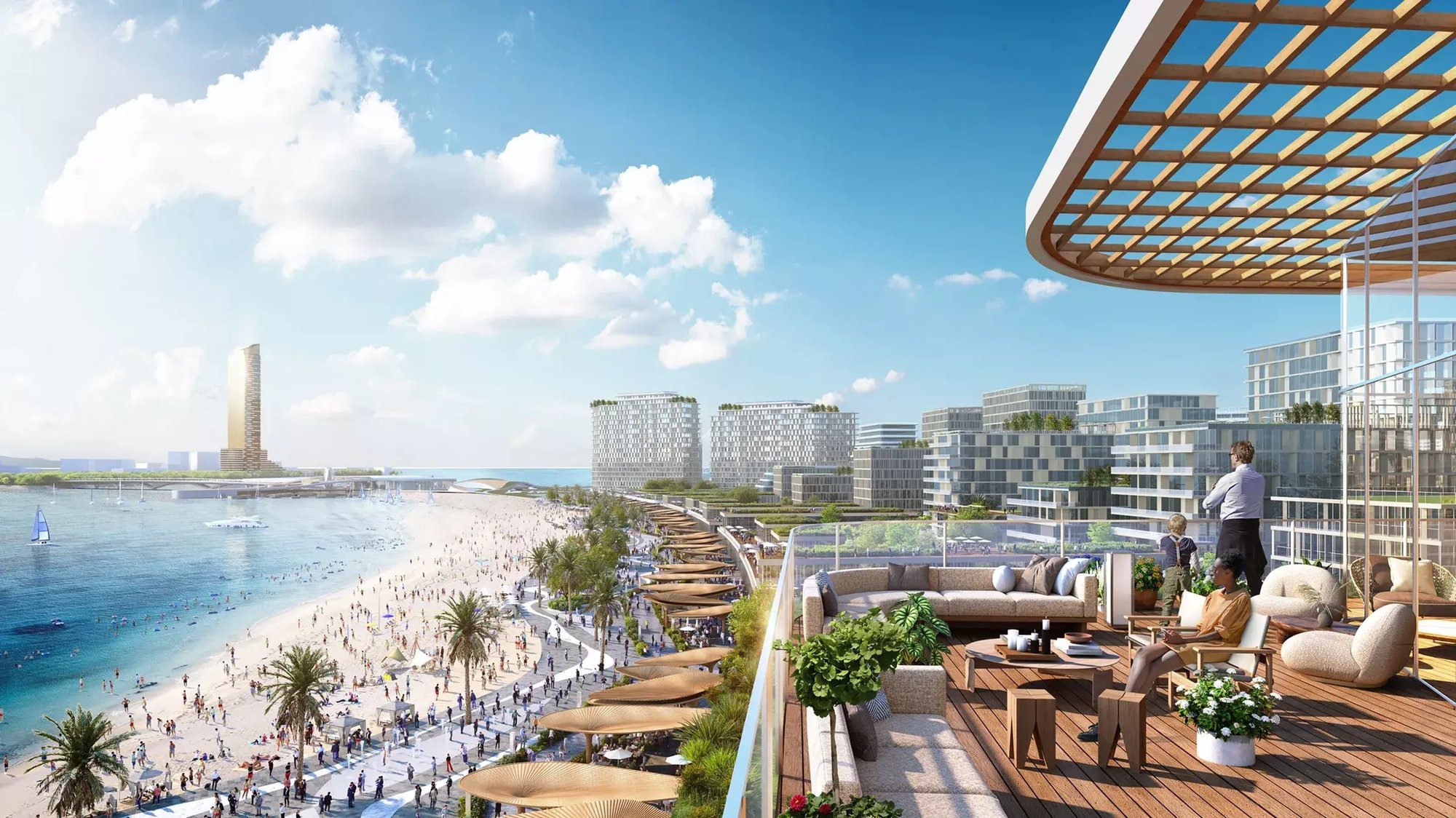
Ras Al Khaimah is pushing forward with an ambitious plan to diversify its economy and modernise its infrastructure. Free zones, major transport investments and targeted spending across key sectors – including tourism manufacturing and real estate – are helping create a more connected, competitive and future-ready emirate.

v03-6944fe0ba3fb5

RAK Vision 2030

RAK Vision 2030 provides the strategic framework guiding Ras Al Khaimah’s long-term development. The strategy is based on three core pillars: 

  • A diversified economy 
  • A cohesive society 
  • A protected natural environment

The framework sets out measurable targets for stronger labour productivity, higher-value economic activity, responsible resource use and improved community wellbeing. It also prioritises heritage protection, renewable energy expansion and sustainable development.

Vision 2030 Highlights

4%+

annual real GDP growth target

700MW+

renewable energy installation goal

73%

waste diversion from landfill

Increased Emirati participation

in education and leadership

Enhanced protection of

heritage and archaeological sites

Source: RAK Vision 2030

Ras Al Khaimah Destination Photo Shoot 2023 (72)

Tourism Development Plans

Tourism is a core growth engine for Ras Al Khaimah, with the emirate aiming to attract 3.5 million visitors a year by 2030, up from 1.28 million in 2024.


Investment is being directed into mountain, desert and coastal projects, including upgrades at Jebel Jais, improved hiking and cycling routes, restoration of cultural sites and expanded accessibility across hotels and attractions. These investments strengthen the emirate’s nature-based tourism offering while upholding its commitment to environmental sustainability.

Tourism Development

3.5m

annual visitors by 2030 (target)

Focus on

Nature-based and Responsible Tourism

Investment in Jebel Jaism

Heritage sites and coastal experiences

Accessibility upgradesm

Across 40+ hotels and 10 attractions

Source: RAKTDA

C03 (20) (1)

Economic Diversification

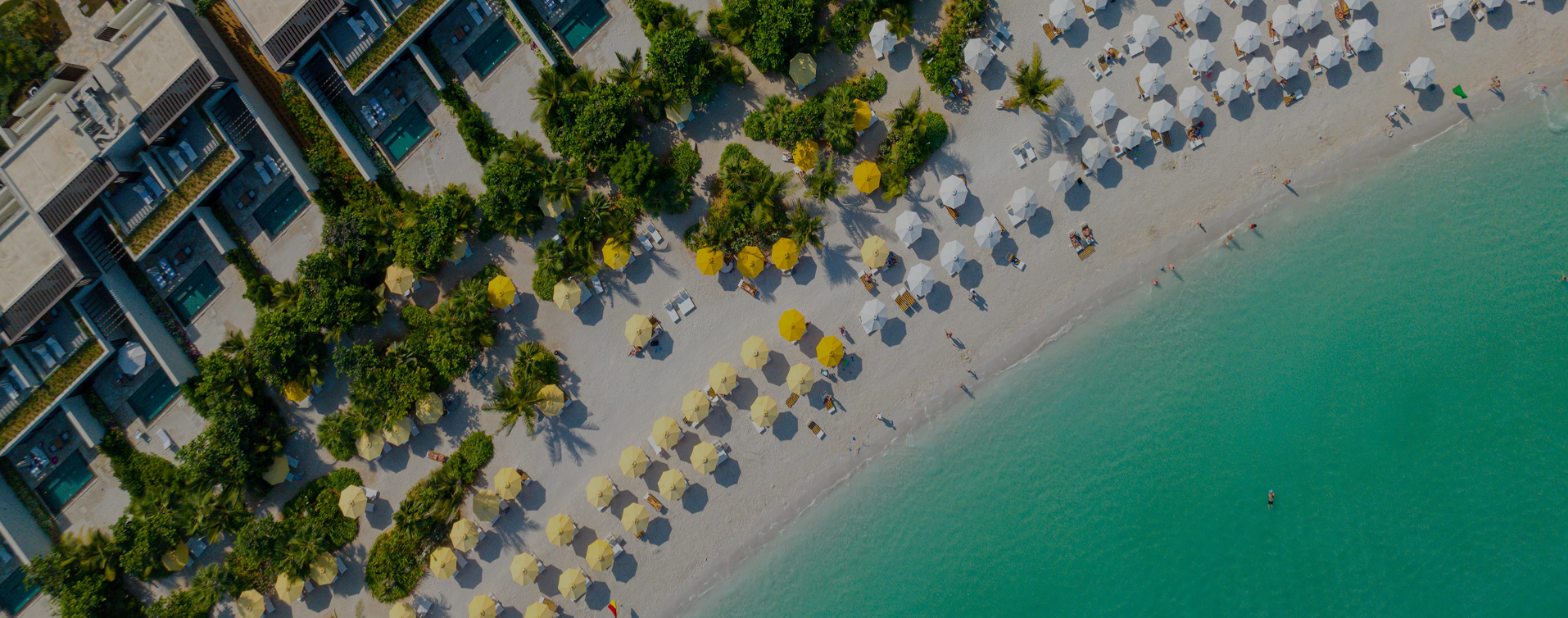
Ras Al Khaimah continues to build a diversified economy supported by low public-sector debt, strong fiscal discipline and consistent A-range credit ratings from Fitch and S&P. Tourism, real estate and construction are driving much of the current expansion.


In 2023, construction activity increased by 15.2%, contributing 6.1% to GDP. Real estate accounted for 7% of GDP, while tourism-related development – including the US$ 5.2 billion Wynn Al Marjan Island project, equivalent to almost 40% of RAK’s 2024 GDP – is driving investment across the broader economy.


While manufacturing, mining and wholesale and retail trade remain important pillars, the scale of new tourism and real estate projects is accelerating Ras Al Khaimah’s shift toward a higher-value, experience-led economic model. Looking ahead, the emirate’s economy is forecast to grow by around 4% annually from 2024 to 2027, reflecting the strength of these sectors.
Economic Diversification

US$12bn

GDP in 2024

6.7%

GDP growth in 2024 (Fitch)

A+ (Fitch)

A/A-1 (S&P) Credit Ratings

15.2%

construction growth (2023)

7%

real estate’s contribution to GDP

40%

Wynn Al Marjan Island’s economic contribution (2024)

Sources: CBRE RAK Real Estate Market Review 2025; Fitch Ratings; S&P

Infrastructure Investments

Infrastructure development is at the heart of the government’s strategy.

Roads

The UAE is upgrading Emirates Road (E311) at a cost of US$200m, reducing travel times between Ras Al Khaimah and Dubai by up to 45%.

Aviation

Ras Al Khaimah International Airport is developing a new VVIP terminal and 8,000 sqm hangar in partnership with Falcon Executive Aviation. Designed to LEED Gold standards, the project will open in 2027 and support high-value tourism and private aviation.

Ports

The US$1bn Saqr 2.0 expansion will transform Saqr Port into a deep-water, multi-purpose facility capable of handling capesize vessels and advanced cargo operations. Phase 1 will add 6–10 berths, 50 million tonnes of annual capacity, and 5 million sqm of port-linked free-zone land by 2027.

Together, these projects will strengthen Ras Al Khaimah’s logistics ecosystem and support long-term economic growth.

Infrastructure Investments

US$200m

Emirates Road upgrade

45%

faster travel times to Dubai

New VVIP

terminal and hangar at RAK Airport

US$1bn

Saqr 2.0 port expansion

50m

tonnes additional cargo capacity

5 million

sqm of new port-linked free-zone land

Sources: UAE Ministry of Energy & Infrastructure, RAK Ports Authority, RAK Airport

Free Zones

Free zones are central to Ras Al Khaimah’s investment strategy, offering 100% foreign ownership, full profit repatriation and fast, simplified licensing. Their competitive cost base and sector-specific ecosystems continue to attract thousands of new companies each year.

Key Free-Zone Entities

RAKEZ

The emirate’s largest free zone and a hub for SMEs, manufacturers and service providers. In 2024, RAKEZ registered 13,141 new companies – a 66% increase year-on-year. Today it hosts around 30,000 businesses from 100+ countries, spanning manufacturing, trading, e-commerce, logistics and professional services.

RAK Maritime City Free Zone Authority

Located beside Saqr Port, this zone supports maritime, industrial and project-cargo operations. With direct deep-water access, berths and expansion via Saqr 2.0, it offers attractive options for fabrication yards, ship repair, logistics and heavy industries.

RAK Media City (RAKMC)

A growing hub for creative and digital businesses, RAKMC offers simplified licensing, competitive operating costs and flexible structures for production companies, content creators, freelancers and media start-ups.

Together, these free zones support Ras Al Khaimah’s economic diversification strategy and provide flexible, cost-efficient options for companies across multiple sectors.

Free-Zone Ecosystem

13,141

RAKEZ registrations in 2024

30,000

companies in RAKEZ

100+

countries represented at RAKEZ

100%

foreign ownership

100 %

profit repatriation

Sources: RAKEZ, RAK Maritime City, RAK Media City