Ras Al Khaimah balances a deep connection to its past with a growing confidence in its future, creating an identity that feels authentic, grounded and welcoming. Its culture is shaped by thousands of years of continuous settlement, while its landscapes – from mountains to beaches and mangroves – define how people live, connect and experience the emirate today.

Al Jazeera Al Hamra  (1)

Culture and Heritage

Ras Al Khaimah’s story stretches back thousands of years, making it one of the oldest continuously inhabited regions in the Gulf region. The emirate is home to more than 80 archaeological sites, ranging from ancient forts and palm-grove settlements, coastal trading hubs. What’s more, Ras Al Khaimah is the only emirate to have four historical locations – Julfar, Shimal, Al Jazeera Al Hamra and Dhayah – listed on UNESCO’s Tentative List of World Heritage Sites.


Heritage is woven into everyday life. Traditional craftsmanship, community values and a strong culture of hospitality remain central to how people live, even as the emirate modernises. Festivals, heritage centres and conservation initiatives ensure that Ras Al Khaimah’s story is preserved, celebrated and made relevant for future generations.
Natural Assets

Ras Al Khaimah’s landscapes lie at the heart of its identity. Few places in the region offer such variety in such close proximity – a combination that shapes the emirate’s lifestyle, culture and sense of identity.


Coastline

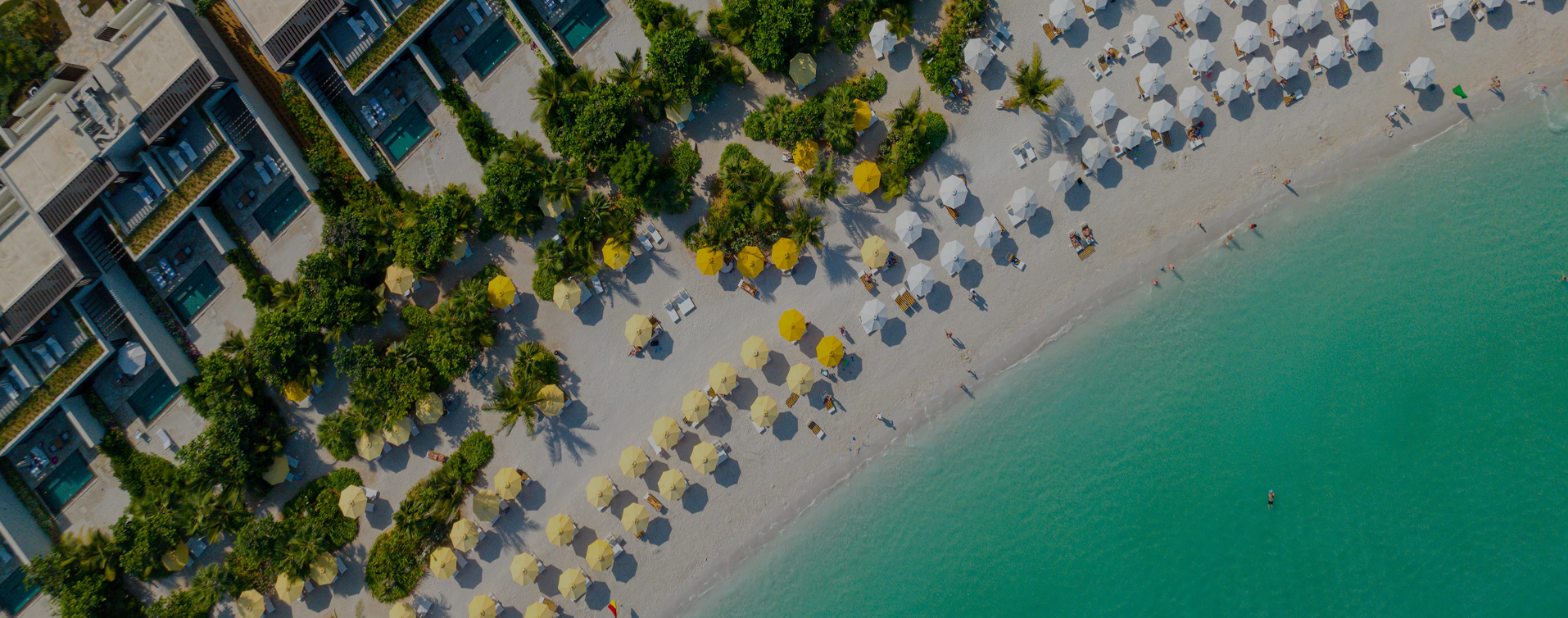
The emirate’s 81 km of coastline, including 43 km of natural beaches, has long influenced life in Ras Al Khaimah. The sea provides space for leisure, family gatherings and community activity, while new waterfront destinations such as Al Marjan Island are helping define the emirate’s modern identity.

Mountains

Jebel Jais, the highest peak in the UAE, is one of Ras Al Khaimah’s most iconic landmarks. Today, it is the region’s top destination for outdoor adventure enthusiasts, offering everything from hiking, cycling and mountaineering to adrenalin-fuelled attractions such as Jais Flight – the world’s longest zipline. For residents and visitors, it represents both the scale and natural beauty that define Ras Al Khaimah.

Desert and Mangroves

Beyond the coast and mountains, Ras Al Khaimah’s desert landscapes and mangrove ecosystems add to its ecological diversity. The desert provides space, quiet and open horizons, while the mangroves offer calm waterways rich in wildlife.These environments support a range of activities – from kayaking and paddleboarding to nature walks and conservation programmes – and highlight the emirate’s commitment to protecting its natural heritage as it grows.

Historical Sites

Ras Al Khaimah’s historical sites are found across the emirate, each offering insight into its layered past. Highlights include:Dhayah Fort: the UAE’s only surviving hilltop fortJazirat Al Hamra: one of the region’s best-preserved traditional villagesShimal archaeological area: home to prehistoric tombsJulfar: a historic trading port central to Ras Al Khaimah’s maritime heritageThese sites connect residents and visitors to the emirate’s roots, reflecting the resilience and creativity of the communities that shaped it.